
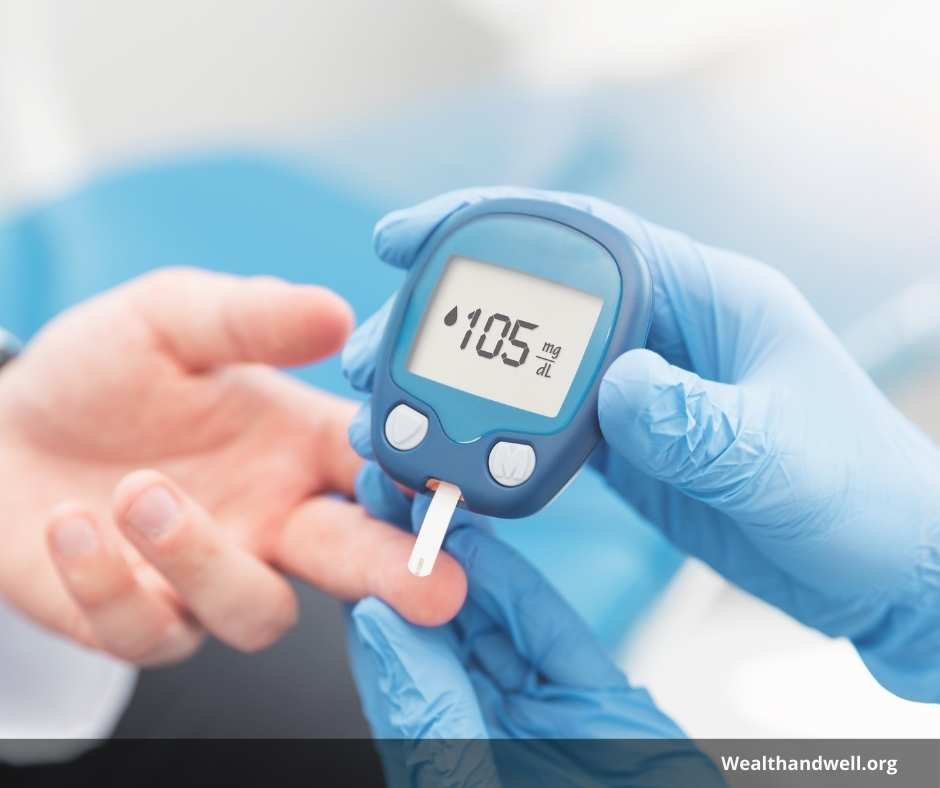
The chronic disease diabetes mellitus compromises the body’s capacity to control glucose, blood sugar. People with diabetes either either cannot use insulin correctly or their body does not generate enough of it. A hormone, insulin allows glucose from the bloodstream enter the cells where it may be used for fuel. Blood sugar levels grow without efficient insulin, which, if improperly controlled, causes many health issues.
Diabetes comes in numerous forms, each with unique causes and traits. Types 1, 2, and gestational diabetes are the most often occurring ones. Though each type influences the body’s sugar processing differently, they all lead to higher blood glucose levels, which is the defining characteristic of diabetes.
| Type | Cause | Who It Affects | Treatment |
| Type 1 Diabetes | Autoimmune destruction of insulin-producing cells | Primarily children and young adults | Lifelong insulin therapy |
| Type 2 Diabetes | Insulin resistance due to lifestyle factors | Primarily adults, but increasingly in youth | Lifestyle changes, oral meds, insulin |
| Gestational Diabetes | Hormonal changes during pregnancy | Pregnant women | Diet, exercise, sometimes insulin |
| Type | Cause | Who It Affects | Treatment |
| Type 1 Diabetes | Autoimmune destruction of insulin-producing cells | Primarily children and young adults | Lifelong insulin therapy |
| Type 2 Diabetes | Insulin resistance due to lifestyle factors | Primarily adults, but increasingly in youth | Lifestyle changes, oral meds, insulin |
| Gestational Diabetes | Hormonal changes during pregnancy | Pregnant women | Diet, exercise, sometimes insulin |
What Happens in the Body:
In those without diabetes, insulin strictly regulates blood sugar levels in the body. Following a meal, the body converts carbs into glucose, which then finds their way into the bloodstream. Insulin produced by the pancreas moves this glucose into the cells to be burned for energy. This process is defective in diabetes.
Type 1 diabetes results from the body’s immune system mistakenly attacking the pancreas’s insulin-producing cells, therefore generating an insulin deficit. Sugar stays in the blood without insulin, raising dangerously high blood sugar levels.
In Type 2 Diabetes the body either produces insufficient or becomes insensitive to insulin. Although lifestyle choices like diet and exercise typically have a bearing on this, genes also contribute. Glucose cannot therefore effectively enter the cells, which causes high blood sugar.
Hormonal changes in gestational diabetes—a condition brought on during pregnancy—can cause insulin resistance. Usually following labor, it resolves but raises the mother’s and the child’s later life Type 2 diabetes risk.
Diabetes Mellitus Overview
- Diabetes is a chronic condition where the body cannot regulate blood sugar effectively.
- Insulin is the hormone responsible for moving sugar into cells to be used for energy.
- Types of Diabetes include Type 1 (autoimmune), Type 2 (lifestyle-related), and gestational (pregnancy-related).
- Managing blood sugar is critical to avoiding complications like heart disease, kidney failure, and nerve damage.