
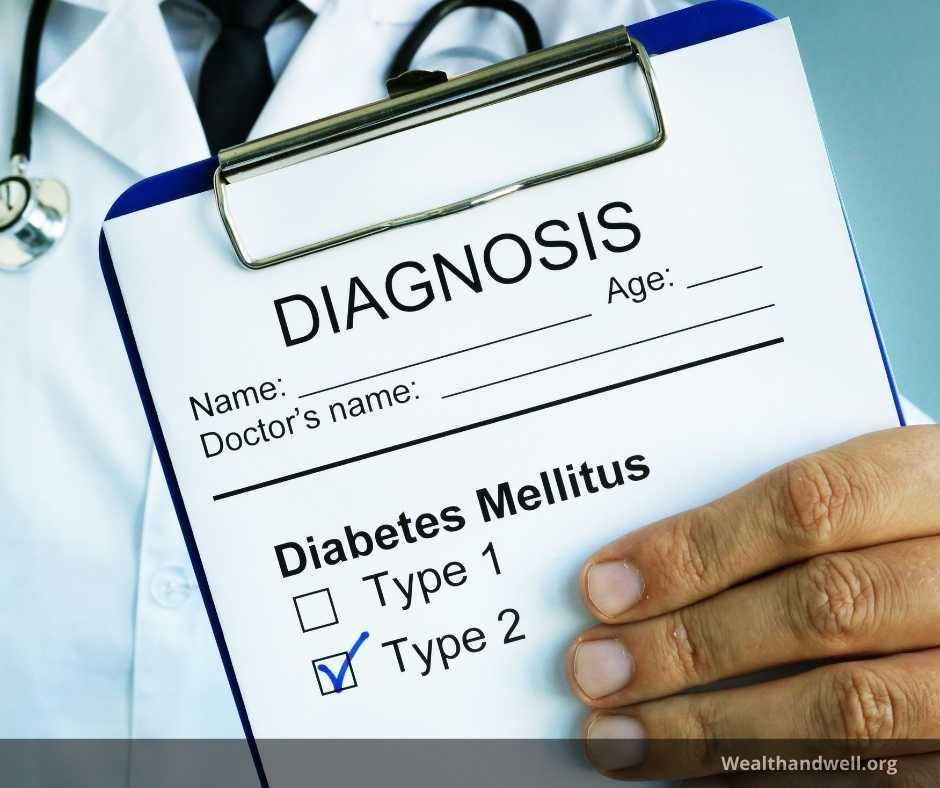
Type 2 Diabetes is the most common form of diabetes, affecting millions of people worldwide. Unlike Type 1, where the body stops producing insulin, Type 2 diabetes is characterized by insulin resistance—the body’s inability to use insulin effectively. Over time, the pancreas may also produce less insulin. As a result, glucose builds up in the bloodstream, leading to elevated blood sugar levels.
While genetics can play a role, Type 2 diabetes is primarily linked to lifestyle factors such as poor diet, physical inactivity, and being overweight. It tends to develop gradually, often going unnoticed for years, making early detection crucial for effective management.
How Type 2 Develops
In Type 2 diabetes, the body’s cells become resistant to insulin, meaning that they no longer respond to insulin’s signals to absorb glucose from the bloodstream. As a result, the pancreas compensates by producing more insulin, but over time, it cannot keep up, and blood sugar levels rise. This process can take years, and many people have prediabetes—higher than normal blood sugar levels—before being diagnosed with Type 2 diabetes.
Unlike Type 1 diabetes, which often appears suddenly, Type 2 diabetes develops slowly and is more common in adults, though it is becoming increasingly prevalent among younger people due to rising rates of obesity.
Table: Differences Between Type 1 and Type 2 Diabetes
| Aspect | Type 1 | Type 2 |
| Cause | Autoimmune attack on insulin cells | Insulin resistance and eventual insulin deficiency |
| Age of Onset | Typically childhood or adolescence | Usually adulthood, but increasingly in youth |
| Insulin Production | Little to no insulin production | Initially normal or high, but becomes insufficient |
| Risk Factors | Genetic, environmental triggers | Lifestyle factors (diet, inactivity), genetics |
| Treatment | Lifelong insulin therapy | Lifestyle changes, oral medications, sometimes insulin |
Risk Factors for Type 2
Several factors can increase the risk of developing Type 2:
- Obesity: Being overweight is a major risk factor, especially with excess fat around the abdomen.
- Physical Inactivity: Lack of regular exercise contributes to insulin resistance.
- Unhealthy Diet: Diets high in processed foods, sugars, and unhealthy fats can raise the risk of Type 2 diabetes.
- Family History: If a close relative has Type 2 diabetes, the risk increases.
- Age: The risk rises after the age of 45, although younger people are increasingly affected.
- Ethnicity: Certain ethnic groups, including African American, Hispanic, Native American, and Asian populations, are at higher risk.
- Gestational Diabetes: Women who had diabetes during pregnancy are more likely to develop Type 2 diabetes later in life.
Symptoms of Type 2 Diabetes
Type 2 often develops gradually, and many people may not notice symptoms in the early stages. However, over time, elevated blood sugar levels lead to common symptoms, including:
- Increased thirst and frequent urination
- Fatigue: A persistent feeling of tiredness due to the body’s inability to use glucose effectively.
- Blurred vision: High blood sugar can cause the lenses of the eyes to swell, affecting vision.
- Slow-healing sores or frequent infections: High blood sugar levels can impair healing and immune function.
- Numbness or tingling in the hands and feet: Nerve damage, or neuropathy, is a common complication of uncontrolled diabetes.
Unlike Type 1 diabetes, where symptoms can appear rapidly, the onset of symptoms in Type 2 diabetes is slow, and they may be mild or mistaken for normal aging. This makes regular blood sugar checks essential for early detection, especially for those at higher risk.
Treatment for Type 2 Diabetes
Managing Type 2 involves a combination of lifestyle changes and medications. The goal is to maintain healthy blood sugar levels and prevent complications.
Lifestyle Changes:
- Healthy diet: Focus on a balanced diet that is low in processed sugars and high in fiber-rich foods such as vegetables, whole grains, and lean proteins.
- Physical activity: Regular exercise improves insulin sensitivity and helps manage weight.
- Weight management: Even a modest weight loss (5-10% of body weight) can significantly improve blood sugar control.
Medications:
- Oral medications: Drugs like Metformin help improve insulin sensitivity or lower blood sugar.
- Insulin therapy: In more advanced cases, insulin may be needed.
- Newer medications: Drugs like GLP-1 receptor agonists (such as Ozempic) and SGLT-2 inhibitors help control blood sugar and may promote weight loss.
Illustration Suggestion: Insulin Resistance in Type 2 An illustration showing how insulin resistance occurs at the cellular level could help clarify the concept. The visual could depict normal insulin function alongside the resistance seen in Type 2 diabetes, where cells do not respond well to insulin.
Prevention of Type 2
The good news is that Type 2 is often preventable. By making healthy lifestyle choices, people can significantly lower their risk of developing the condition. Some effective prevention strategies include:
- Regular check-ups: For people with a family history or other risk factors, regular blood sugar screenings can catch the early signs of prediabetes, allowing for early intervention.
- Maintaining a healthy weight: Losing excess weight can improve insulin sensitivity.
- Regular physical activity: Aim for at least 30 minutes of moderate exercise, like walking or cycling, on most days.
- Balanced diet: Focus on eating more whole grains, vegetables, lean proteins, and healthy fats, while cutting back on sugary foods and refined carbohydrates.
Key Risk Factors for Type 2
- Obesity and physical inactivity
- Unhealthy diet (high in refined sugars and unhealthy fats)
- Family history of Type 2 diabetes
- Age 45 and older (but can develop in younger individuals)
- Higher risk in certain ethnic groups